Smart Secrets of Great Paintings
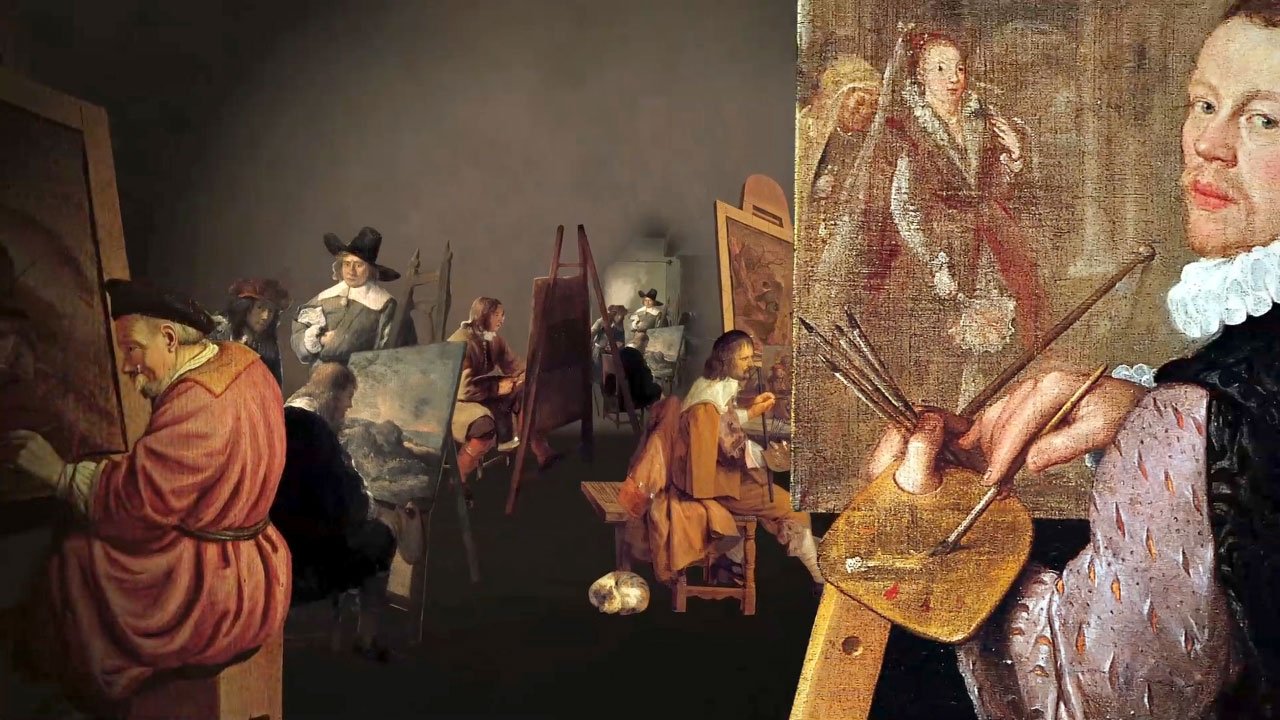
The great works of the past portray abundant testimonies, and are imbued with secrets and are teeming with mysteries. Beneath the surface of the painting, details awaken, to recount the spirit of the times and the vagaries of History, such as wars, revolutions, economic transformation, scientific discovery, beliefs and schools of thought.
Cast: Clémentine Célarié
HDCC
Season 1
24 episodes
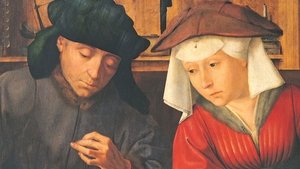 1. The Moneylender and his Wife (1514) by Quentin Massys16th century Antwerp was like 1950s New York. The city of craftsmen and fishermen at the entrance to the North Sea became a leading finance hub, facilitated by European exploration and new trade routes. This work by Quentin Metsys is a subtle criticism of that world and its era, warning about the flow of money when it is detached from all forms of religious and moral considerations. This film examines the influences of Jan Van Eyck and Leonardo Da Vinci on the work; analyzes composition, painting technique, and object symbolism; and outlines events that would lead to the Dutch Revolt.CC26minNov 1, 2015
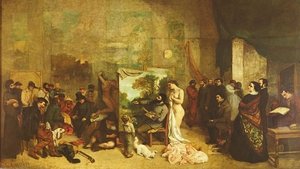 2. The Artist's Studio (1855) by Gustave CourbetParis shone brightly in the second half of the 19th century, with its fashionable restaurants, and its cabarets and theatres, which provided the spectacle of a carefree society. The industrial revolution produced wealth, and fortunes were amassed and lost.
Gustave Courbet's work is politically involved and provocative. It reveals his support for revolutionary movements, and condemns Napoleon III's authoritarian regime. In addition to its critical dimension, the canvas has an air of mystery, and depicts contradictions.CC26minNov 8, 2015
2. The Artist's Studio (1855) by Gustave CourbetParis shone brightly in the second half of the 19th century, with its fashionable restaurants, and its cabarets and theatres, which provided the spectacle of a carefree society. The industrial revolution produced wealth, and fortunes were amassed and lost.
Gustave Courbet's work is politically involved and provocative. It reveals his support for revolutionary movements, and condemns Napoleon III's authoritarian regime. In addition to its critical dimension, the canvas has an air of mystery, and depicts contradictions.CC26minNov 8, 2015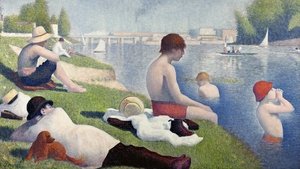 3. Bathers at Asniers (1884) by Georges SeuratAt the end of the 19th century, Asnieres resembled a seaside resort. The cheering crowd that came to attend the regattas animated the banks of the Seine, and the rowing club was always full. When he painted his canvas, Georges Seurat understood that his current era was totally turned towards a fascinating and ruthless religion: progress. Determined that art should not remain left out of these drastic changes underway, he invented pointillism.CC26minNov 15, 2015
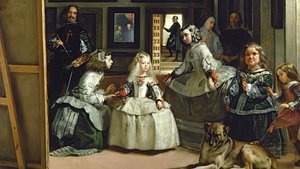 4. Las Meninas (1665) by Diego VelazquezIn the mid-17th century, Madrid experienced its Golden Age. The Royal Alcazar of Madrid, a legacy of the Muslim sovereignty that had dominated the region for a long time, became the residence of the royal family and the centre of the Spanish court. Diego Velasquez' canvas plunges us into the practices and traditions of the Hapsburgs of Spain. But more importantly, the work is a recursive reflection of reality: between model, viewer and artist, we no longer know who is looking at who.CC26minNov 22, 2015
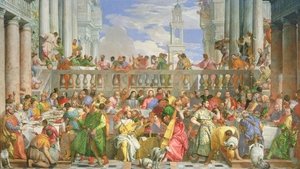 5. The Wedding at Cana (1563) by Paolo VeroneseIn "The Wedding at Cana", Paolo Veronese transposes the biblical tale of Christ's first miracle to the scene of a sumptuous Venetian banquet. This documentary explores the historical context of 16th century Venice, a wealthy and politically stable city in which artists such as Veronese, Titian, and Jacobo Tintoretto were granted freedom from religious censorship. It looks at Palladio's architectural influences, presents a theory that "The Wedding at Cana" may represent the crowning ceremony of a Doge's wife, and examines how Veronese combines the sacred and profane in his works. Finally, it looks at the painter's use of perspective, colors, and composition.CC26minNov 29, 2015
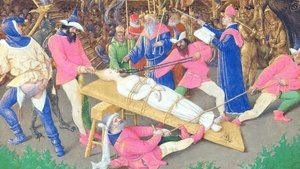 6. The Martyrdom of Saint Appolonia (1461) by Jean FouquetWith a tiny and delicate paintbrush, Jean Fouquet adds the golden threads of a tentative humanism to "The Martyrdom of Saint Apollonia" (circa 1450) and unveils a glimmer of the modern era, crouching behind the horizon of the Middle Ages. This film analyzes the illumination for clues of what Fouquet sought to convey to viewers. Completed for a book of hours commissioned by one of Charles VIII's financial advisors, it portrays Apollonia's martyrdom as a mystery play- theatrical performances of Biblical stories popular in medieval towns- to distance viewers from the act of violence. The film also discusses Fouquet's journey to Italy, where he learned about perspective from Renaissance artists, and talks about his propaganda work as the Hundred Years' War drew to a close.CC26minDec 6, 2015
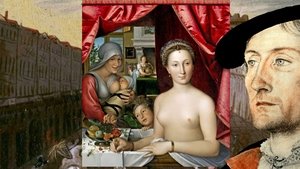 7. A Lady in Her Bath (1571) by Francois Clouet"A Lady in Her Bath" (circa 1571), by Francois Clouet, bears witness to a period in which the pleasure of the senses and the spirit were caught up in religious conflict. It gave rise to the despotic canons of beauty. Official painter to Charles IX, Francois Clouet is considered the French master of portraiture. In this year 1571, he has just put the finishing touches to a canvas as beautiful as it is enigmatic: seated in her bathtub, half-naked, is a woman of Diaphanous beauty; behind her, a rough-featured nursemaid breastfeeds an infant; at the back of the room a servant is busy. A Fete Galante painting? Portrait? A Genre painting? This film examines the painting's composition and symbolism.CC26minDec 13, 2015
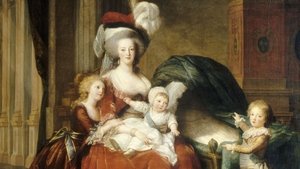 8. Marie-Antoinette de Lorraine-Habsbourg, Queen of France and Her Children (1787) by Elisabeth Vigée Le BrunAs the French Revolution approached, Louise Elisabeth Vigee Le Brun painted the queen's portrait in an attempt to win back public opinion. This documentary examines the historical and social context in which "Marie-Antoinette de Lorraine-Habsbourg, Queen of France and Her Children" was painted. It analyzes the work's composition and symbolism in terms of motherhood and political legitimacy, and attempts to counter the queen's reputation for debauchery. It also includes a discussion of Le Brun's background, Italian and Flemish influences, and her unique position as court portraitist in a male dominated field. Finally, we learn how the work was received by the Paris Salon and by the French people.CC26minDec 13, 2015
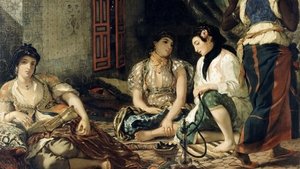 9. Women of Algiers in Their Apartment (1834) by Eugène DelacroixAs the war of colonization raged in Algeria, Eugene Delacroix was the first French artist to cross the Mediterranean. The naturalism of "Women of Algiers in Their Apartment," painted in 1834, takes us into the calm and simplicity of a harem as Delacroix saw it with his own eyes. This documentary looks at his attempts to counter Orientalist fantasies of Middle Eastern women held by European society and discusses his admiration of Lord Byron. It also details his journey through Morocco and Algeria as part of a French diplomatic mission, during which he witnessed the realities of North African culture that inspired him to document and recreate the scene of three sisters in their private quarters.CC26minDec 20, 2015
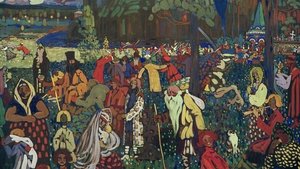 10. Colorful Life (1907) by Wassily KandinskyThe roots of "Colourful Life" (1907), just like those of Vassily Kandinsky himself, were firmly anchored in age-old Russian soil. And yet the painting contains all the elements that were to accompany the painter in the greatest revolution in the history of art: the leap into abstraction.
This documentary examines Kandinsky's rejection of Western thought and efforts to preserve Russian culture during modernization. He contracted typhus during a trip to study peasant life; his feverish hallucinations inspired the work that evokes a forgotten golden age sought after by Russian Symbolist painters and poets. Finally, viewers learn about the philosophies on color and light that led him to compose his famous Yellow-Red-Blue.CC26minJan 3, 2016
10. Colorful Life (1907) by Wassily KandinskyThe roots of "Colourful Life" (1907), just like those of Vassily Kandinsky himself, were firmly anchored in age-old Russian soil. And yet the painting contains all the elements that were to accompany the painter in the greatest revolution in the history of art: the leap into abstraction.
This documentary examines Kandinsky's rejection of Western thought and efforts to preserve Russian culture during modernization. He contracted typhus during a trip to study peasant life; his feverish hallucinations inspired the work that evokes a forgotten golden age sought after by Russian Symbolist painters and poets. Finally, viewers learn about the philosophies on color and light that led him to compose his famous Yellow-Red-Blue.CC26minJan 3, 2016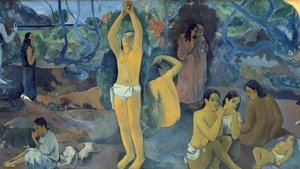 11. Where Do We Come From? What Are We? Where Are We Going? 1897, Paul GauguinNo synopsis available yet.CC26minAug 28, 2016
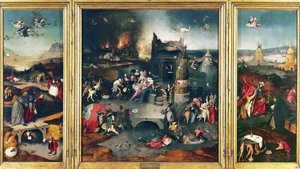 12. Temptations of St. Anthony, 1501, Hieronymus BoschNo synopsis available yet.CC26minSep 4, 2016
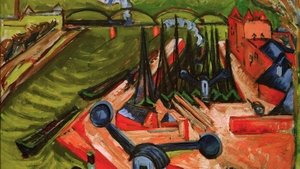 13. Western Port in Frankfurt am Main, 1916, Ludwig KirchnerNo synopsis available yet.CC26minSep 11, 2016
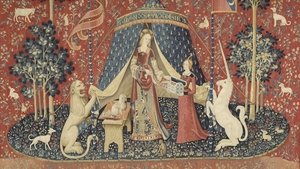 14. Lady and the Unicorn, Circa 1500, AnonymousNo synopsis available yet.CC26minSep 18, 2016
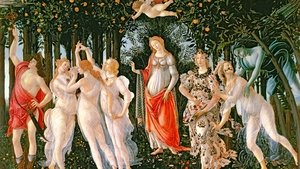 15. The Primavera, 1482, Sandro BotticelliNo synopsis available yet.CC26minSep 25, 2016
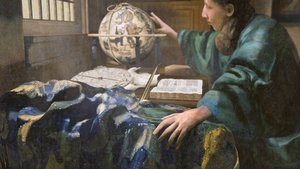 16. The Astronomer (1668) by Johannes VermeerNo synopsis available yet.CC26minDec 3, 2017
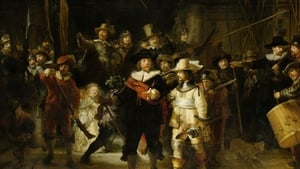 17. The Night Watch (1642) by Rembrandt Van RijnNo synopsis available yet.CC26minDec 10, 2017
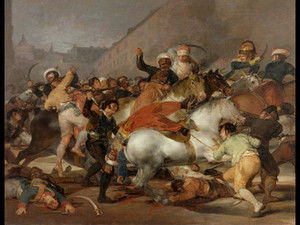 18. The Second of May 1808 (1814) by Francisco GoyaNo synopsis available yet.CC26minDec 17, 2017
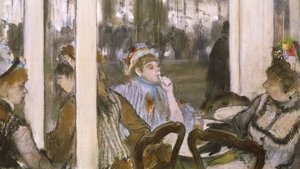 19. Women on a Café Terrace in the Evening (1877) by Edgar DegasNo synopsis available yet.CC26minDec 24, 2017
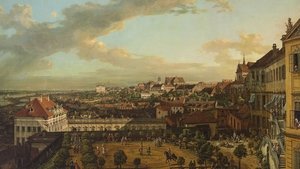 20. View of Warsaw From the Terrace of the Royal Palace (1773) by Bernardo BellottoNo synopsis available yet.CC26minDec 31, 2017
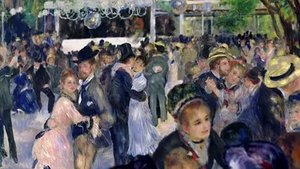 21. Dance at Le Moulin de la Galette, 1876, RenoirNo synopsis available yet.CC26minJan 27, 2019
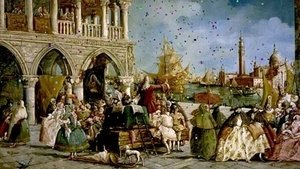 22. Pulcinella and Acrobats, 1797, TiepoloNo synopsis available yet.CC26minFeb 3, 2019
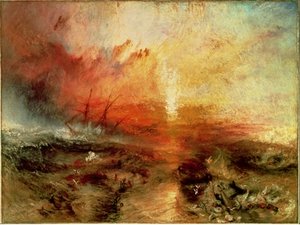 23. The Slave Ship, 1840, J.M. TurnerNo synopsis available yet.CC26minFeb 10, 2019
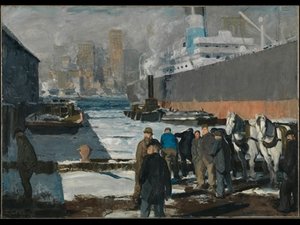 24. Men of the Docks, 1912, BellowsNo synopsis available yet.CC26minFeb 17, 2019
Viewers also watched
Smart Secrets of Great Paintings
★ 8.0/1020151 season24 episodesReturning Series
The great works of the past portray abundant testimonies, and are imbued with secrets and are teeming with mysteries. Beneath the surface of the painting, details awaken, to recount the spirit of the times and the vagaries of History, such as wars, revolutions, economic transformation, scientific discovery, beliefs and schools of thought.
Creators and cast
- Directors
- Clément Cogitore, Jivko Darakchiev, Carlos Franklin
- Created by
- Yves Nilly, Clément Cogitore, Jivko Darakchiev, Carlos Franklin
Maturity rating
Not yet rated.
Audio languages
French