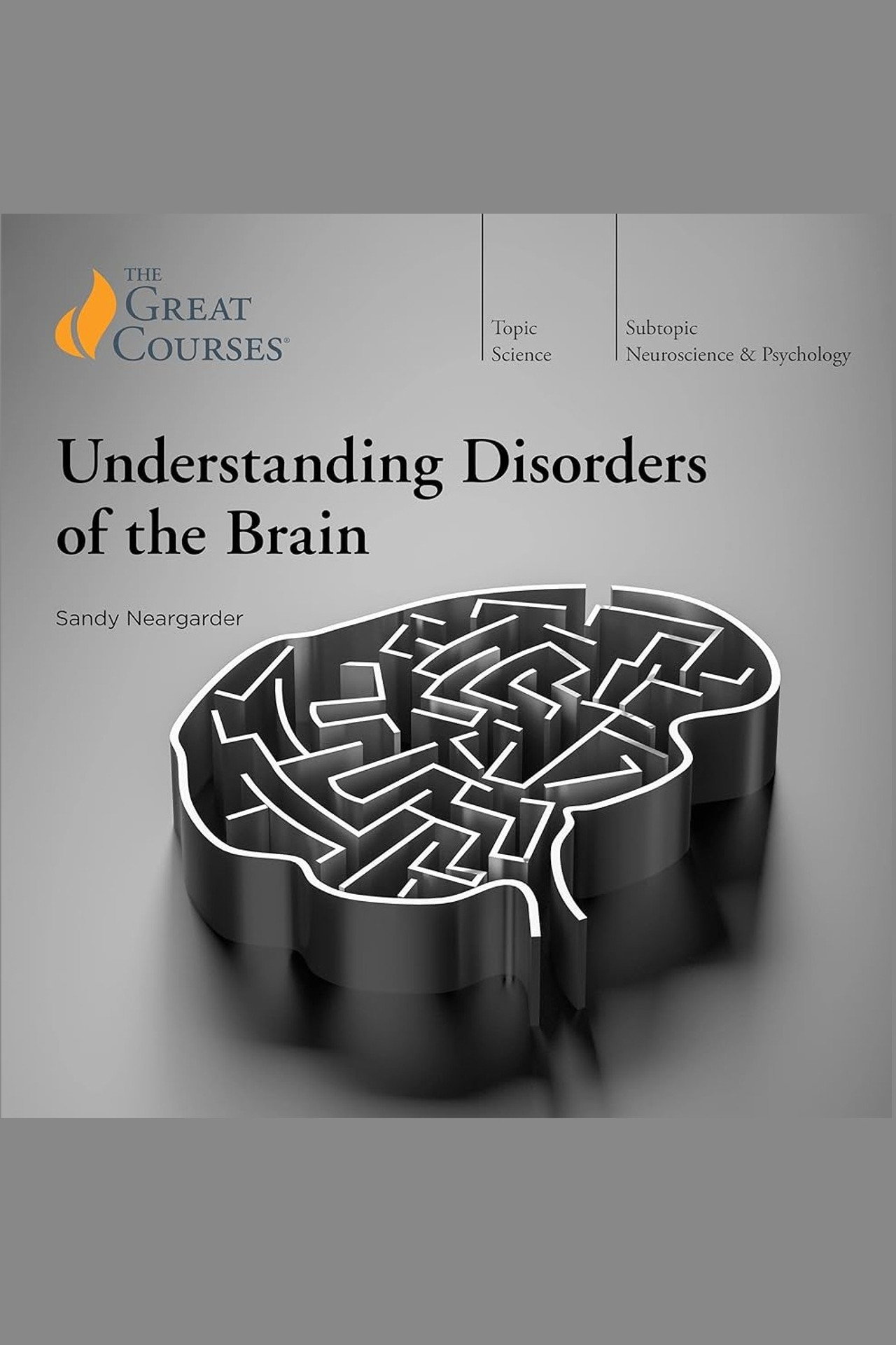
Understanding Disorders of the Brain
Understanding Disorders of the Brain gives you an in-depth analysis of what can go wrong inside our minds. Taught by Professor Sandy Neargarder, these 24 lessons survey some of the most common, and not-so-common, disorders that disrupt the many ways our brains function. Professor Neargarder explores what we know about diseases such as multiple sclerosis, Alzheimer’s, Huntington’s, and she digs into the wiring of people prone to epileptic seizures, and those suffering from mitochondrial diseases. And she analyzes the effects of traumas ranging from athletic head injuries to strokes. For each disorder, she walks through the genetic and environmental factors that underlie the pathology, shares insight about the signs and symptoms to look out for, and looks at the latest research on treatment and cures. Building a better understanding of these disorders can help us minimize our risk factors, recognize symptoms, and ensure the best course of action for ourselves and those we love.
Season 1
24 episodes
- 1. Anatomy and Functioning of the BrainKick off this course with a tour of the brain. As you delve into the colorful world of grey matter, this first lesson reviews the parts of the brain and the various functions that keep our bodies operating and our minds working. This grounding in neurology will set you up to understand what follows.CC30minJan 21, 2026
- 2. Neuropsychological AssessmentNow that you understand the anatomy of the brain, shift your attention to the field of neuropsychology, which is both an experimental field and a clinical field within psychology. In addition to discovering how brain functioning influences behavior and cognition, neuropsychologists work to assess and treat brain disorders.CC29minJan 21, 2026
- 3. Intellectual Disabilities and Down SyndromeBegin the first of several lessons that focus on brain disorders commonly diagnosed during childhood-beginning here with intellectual disabilities and Down syndrome. Professor Neargarder surveys the range of disabilities and then delves into potential genetic and environmental causes.CC30minJan 21, 2026
- 4. Autism Spectrum Disorders, Part 1In this first lesson on autism spectrum disorders, you will study the symptoms that characterize autism, how autism is diagnosed, and some of the presumed causes and comorbidities. You will also reflect on Asperger's syndrome, which is no longer considered a stand-alone diagnosis.CC29minJan 21, 2026
- 5. Autism Spectrum Disorders, Part 2Continue your exploration of autism by examining research on brain pathology, savant abilities, and treatment options. Revisit what you learned in the lesson on brain anatomy to see what parts of the brain play a role in autism. Then turn to behavior treatments and medications that support treatment.CC31minJan 21, 2026
- 6. Attention Deficit Hyperactivity DisorderMost of us have heard of attention deficit hyperactivity disorder (ADHD), but what exactly is this disorder? How prevalent is it and how is it treated? Dive into the different types of ADHD and how it affects children, the environmental risk factors, and some challenges of diagnosis.CC31minJan 21, 2026
- 7. Developmental DyslexiaTake a closer look at a language-based learning disability known as developmental dyslexia, which affects about 5-10% of school-aged children. Although the various theories regarding dyslexia are inconclusive, Professor Neargarder offers an overview of causes. Consider what's going on inside the brain of someone with dyslexia.CC29minJan 21, 2026
- 8. EpilepsyIn today's lesson, you will examine epilepsy, a disorder marked by seizures-an episode where groups of neurons in the brain fire simultaneously. After reviewing the different categories of epileptic seizures, as well as causes and treatments, you will walk through two case studies to see how epilepsy can affect people differently.CC30minJan 21, 2026
- 9. Mitochondrial DisordersYou may remember learning about the "mighty mitochondria" in biology. When these energy producers fail, it can lead to cell injuries and death-and debilitating effects for the person who is impacted. Here, find out about mitochondrial disorders, their symptoms and causes, and the relationship between mitochondrial disorders and the brain.CC32minJan 21, 2026
- 10. Head Injuries, Part 1Shift your attention from genetic wiring to brain damage. In this first of two lessons on head injuries, Professor Neargarder discusses the common symptoms and pathology of head injuries, the categories of head injuries, and the neuropsychology of closed-head injuries such as concussions.CC28minJan 21, 2026
- 11. Head Injuries, Part 2Continue your study of head injuries with a look at some unusual conditions that can result from them. From visual agnosia to bomb-blast trauma to the chronic traumatic encephalopathy (CTE) associated with sports injuries, take a clinical look at the causes and prevention of disorders from brain injury.CC28minJan 21, 2026
- 12. Multiple SclerosisMultiple sclerosis, or MS, is a disorder in which the protective coating on our nerve cells gets damaged and disrupts the signals that travel from our brain to various parts of the body. MS is complicated, affecting different people in different ways. This lesson examines what we know about this debilitating disorder.CC28minJan 21, 2026
- 13. Brain TumorsYou likely know that brain tumors are abnormal growths of tissue, but you might be shocked to find out there are roughly 120 different types of brain and central nervous system tumors. Here, you will examine the more common types of tumors and see what scientists know about causes and treatments.CC29minJan 21, 2026
- 14. Huntington's, ALS, and Creutzfeldt-JakobTake a look at three rare but important brain disorders: Huntington's disease, amyotrophic lateral sclerosis (ALS), and Creutzfeldt-Jakob disease. Find out what we know about these neurodegenerative disorders-and what hope scientists have for understanding causes and cures.CC31minJan 21, 2026
- 15. Parkinson's Disease, Part 1This course opened with several lessons about disorders in childhood. Now shift your attention to a series of lessons about diseases that primarily affect older adults, starting with Parkinson's disease. Here, learn the basics of the disease, signs and symptoms, and the underlying brain pathology.CC28minJan 21, 2026
- 16. Parkinson's Disease, Part 2Continue your survey of Parkinson's disease with an investigation into how biological sex affects Parkinson's disease. The side of disease onset (right or left) also affects how Parkinson's presents itself. After reviewing these characteristics, the lesson turns to potential causes of the disorder and a review of current treatments.CC26minJan 21, 2026
- 17. Stroke, Part 1Strokes are the leading cause of death in the United States and a major cause of serious disability in adults. In this first of two lessons, find out what exactly a stroke is (a cerebrovascular disease), learn about the different types of strokes, and review some of the common symptoms.CC29minJan 21, 2026
- 18. Stroke, Part 2In this second exploration of strokes, review the risk factors, the types of aphasia (language disorder) that commonly occur after a stroke, and a strange condition known as alien hand syndrome. Build a checklist of things you can do to mitigate your risk, from quitting smoking to lowering cholesterol.CC28minJan 21, 2026
- 19. Alzheimer's Disease, Part 1Dementia refers to a group of symptoms associated with a decline in memory. In your next two-part unit, you will explore the most common form of dementia: Alzheimer's disease. Here, dive into the signs and symptoms of the disease, the neuropathy of the disorder, how it is diagnosed, and associated risk factors.CC27minJan 21, 2026
- 20. Alzheimer's Disease, Part 2Continue your study of Alzheimer's disease with a look at preventative measures, pharmacological and nonpharmacological interventions, tips for helping people who have the disease, and associated research trends. Round out your lesson with a look at possible directions for future Alzheimer's research.CC27minJan 21, 2026
- 21. Lewy Body Disease and Vascular DementiaIn addition to Alzheimer's, there are many other forms of dementia-each with their own distinct neuropathology and cognitive deficits. In this lesson, learn about Lewy body disease dementia, Parkinson's disease dementia, and vascular dementia. Explore the core symptoms and underlying, often mysterious causes.CC31minJan 21, 2026
- 22. FTD and Wernicke-Korsakoff SyndromeWrap up the unit on dementia with a survey of frontotemporal dementia (FTD) and Wernicke-Korsakoff syndrome. FTD is an umbrella term for a group of neurodegenerative disorders, often in patients younger than age 65. Wernicke-Korsakoff syndrome is associated with an unusual impairment of memories.CC29minJan 21, 2026
- 23. Mild Cognitive ImpairmentMild cognitive impairment is a disorder that tends to precede the onset of various types of dementia. Because dementia is a progressive disorder, understanding mild cognitive impairment offers clues to prevention and treatment. Examine the differences between this disorder and the normal behaviors of aging.CC27minJan 21, 2026
- 24. The Future of Brain Research and TreatmentAlthough science has come a long way in solving the mysteries of the brain, we still have a long way to go. Round out this course with a look at the forefront of research, which is a combination of neurobiology, physics, engineering, big data science, and artificial intelligence. From imaging to diagnostics, get a first look at the future of brain science.CC30minJan 21, 2026
Understanding Disorders of the Brain
Understanding Disorders of the Brain gives you an in-depth analysis of what can go wrong inside our minds. Taught by Professor Sandy Neargarder, these 24 lessons survey some of the most common, and not-so-common, disorders that disrupt the many ways our brains function. Professor Neargarder explores what we know about diseases such as multiple sclerosis, Alzheimer’s, Huntington’s, and she digs into the wiring of people prone to epileptic seizures, and those suffering from mitochondrial diseases. And she analyzes the effects of traumas ranging from athletic head injuries to strokes. For each disorder, she walks through the genetic and environmental factors that underlie the pathology, shares insight about the signs and symptoms to look out for, and looks at the latest research on treatment and cures. Building a better understanding of these disorders can help us minimize our risk factors, recognize symptoms, and ensure the best course of action for ourselves and those we love.
Maturity rating
Not yet rated.
Where to watch
Not currently listed on any streaming, rental or purchase service.
Details and artwork from TMDB. Availability from JustWatch and can change without notice.