Europeans in Space
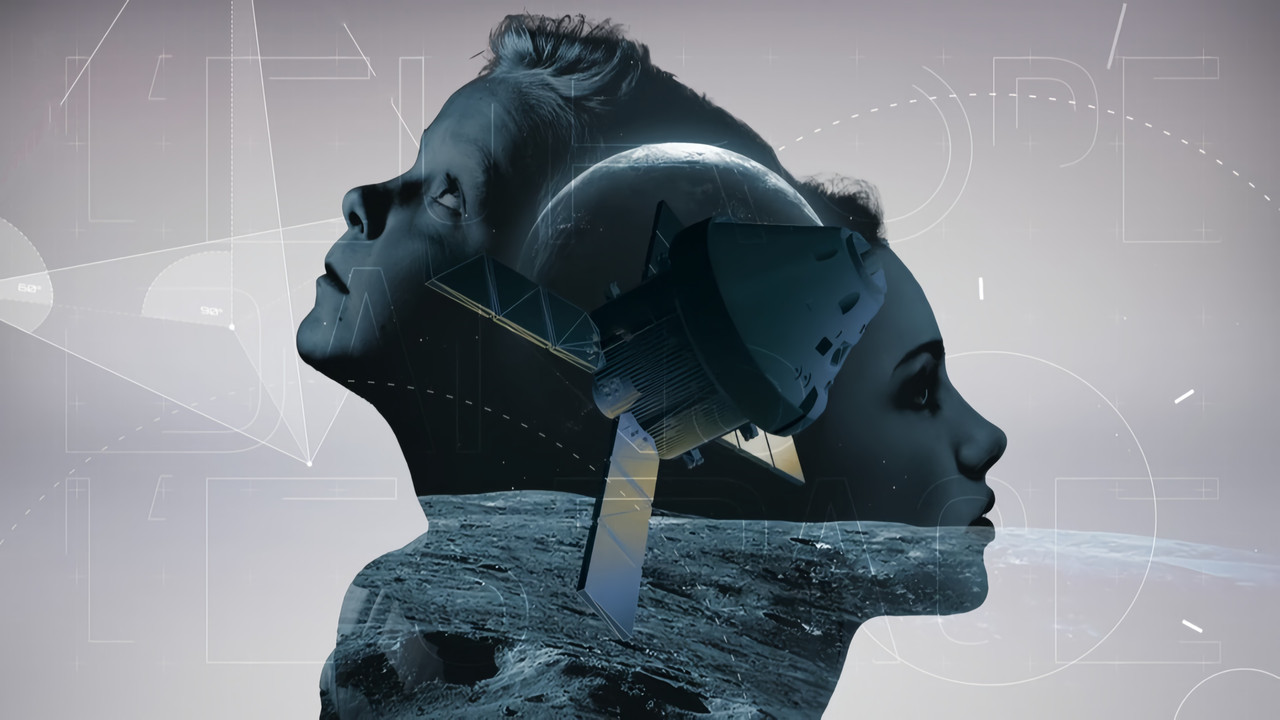
The European Space Agency (ESA) has selected a new team of trained astronauts to go not only to the International Space Station, but also to the Moon with the Artemis mission. With the discoveries made by James Webb and new-generation launchers such as Ariane 6, there are many new developments in European space exploration.
HDCC
Season 1
8 episodes
 1. The James Webb Telescope: Beyond HubbleThe world's most powerful telescope launched on December 25 to explore the origins of the universe. The new James Webb Space Telescope (JWST) was successfully launched on December 25, 2021, from the Guiana Space Centre in Kourou. Featuring a primary mirror 6.5 meters (21.3 feet) in diameter, JWST is the largest space telescope ever built for a scientific mission. One hundred times more sensitive than its predecessor, Hubble, it promises significant breakthroughs in galactic physics and the study of exoplanets.CC10minDec 15, 2021
 2. Highly Strategic Launch VehiclesThe superpower competition in space began with the dawn of space exploration. Today, it continues with the race for new launch vehicles. Rockets and exploration programs represent major geopolitical stakes. However, given the resources required, international collaboration is essential. The Chinese have announced a partnership with Russia for their 2030 lunar base project—a direct challenge issued to the United States.CC9minJan 25, 2022
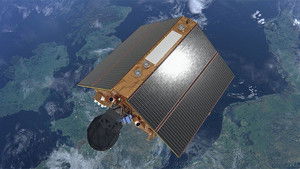 3. Climate Monitoring SatellitesThe Copernicus program uses its satellite constellation to collect ultra-precise data on climate change. ESA’s Copernicus program represents an investment of roughly 7 billion euros and generates petabits of data to model future climate shifts, primarily through the Sentinel-6 satellite, which has been operational since June 2021. This highly sophisticated spacecraft specifically measures sea-level rise, and its initial findings confirm a deeply concerning trend.CC10minApr 14, 2022
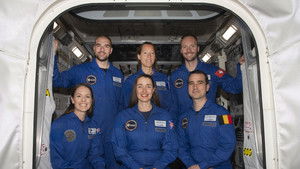 4. Europe's Next Generation of AstronautsSophie, Pablo, Rosemary, Raphaël, and Marco are the ESA astronauts appointed through a lengthy selection process, whose exciting time at the European Astronaut Centre in Cologne began in April 2023. Initially, they will undergo training for stays on the ISS, but later they will also be prepared for a medium-term lunar mission and potentially even beyond that, meaning a mission to Mars!CC11minJun 20, 2023
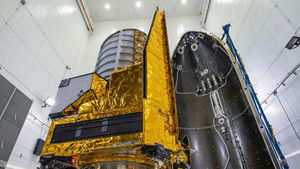 5. ESA's Euclid - Exploring a Dark UniverseThe European probe Euclid took off successfully on 1 July 2023. Its objective is ambitious: to attempt to solve the enigma of dark matter and above all dark energy, which make up 95% of the universe.CC10minAug 11, 2023
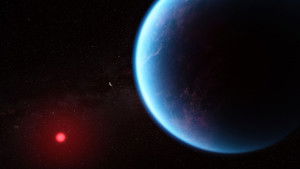 6. James Webb: In Search of Life in SpaceIn only one year of operation, the James Webb Space Telescope has revolutionised the way the universe is observed. Images of protostars, the birth of galaxies, unprecedented information about exoplanets... the data collected will fuel astronomical research for many years to come.CC11minNov 16, 2023
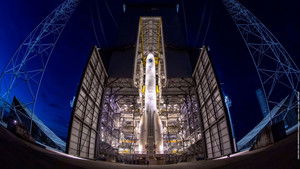 7. Ariane 6: A Cutting Edge Launch System for EuropeAriane 6 is Europe’s new launch system, set to begin service in summer 2024. After a four-year delay, the ESA hopes the new system, which represents an enormous technical challenge, will take off without a hitch.CC10minFeb 2, 2024
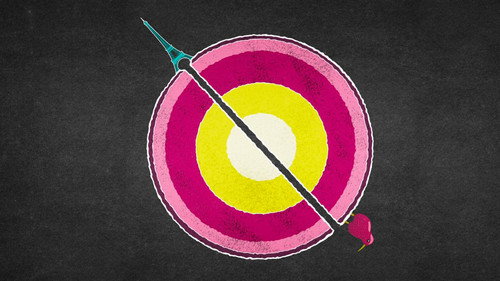
 8. Hera: Planetary DefenceOn 26 September 2022, NASA's Dart probe successfully collided with an asteroid, deflecting it from its trajectory. The ESA-led Hera probe will study in detail the result of the impact and the properties of the asteroid.CC10minSep 27, 2024
Viewers also watched



Europeans in Space
20211 season8 episodesReturning Series
The European Space Agency (ESA) has selected a new team of trained astronauts to go not only to the International Space Station, but also to the Moon with the Artemis mission. With the discoveries made by James Webb and new-generation launchers such as Ariane 6, there are many new developments in European space exploration.
Creators and cast
- Directors
- Fréderic Toussaint
- Created by
- Fréderic Toussaint
- Studio
- ARTE GEIE