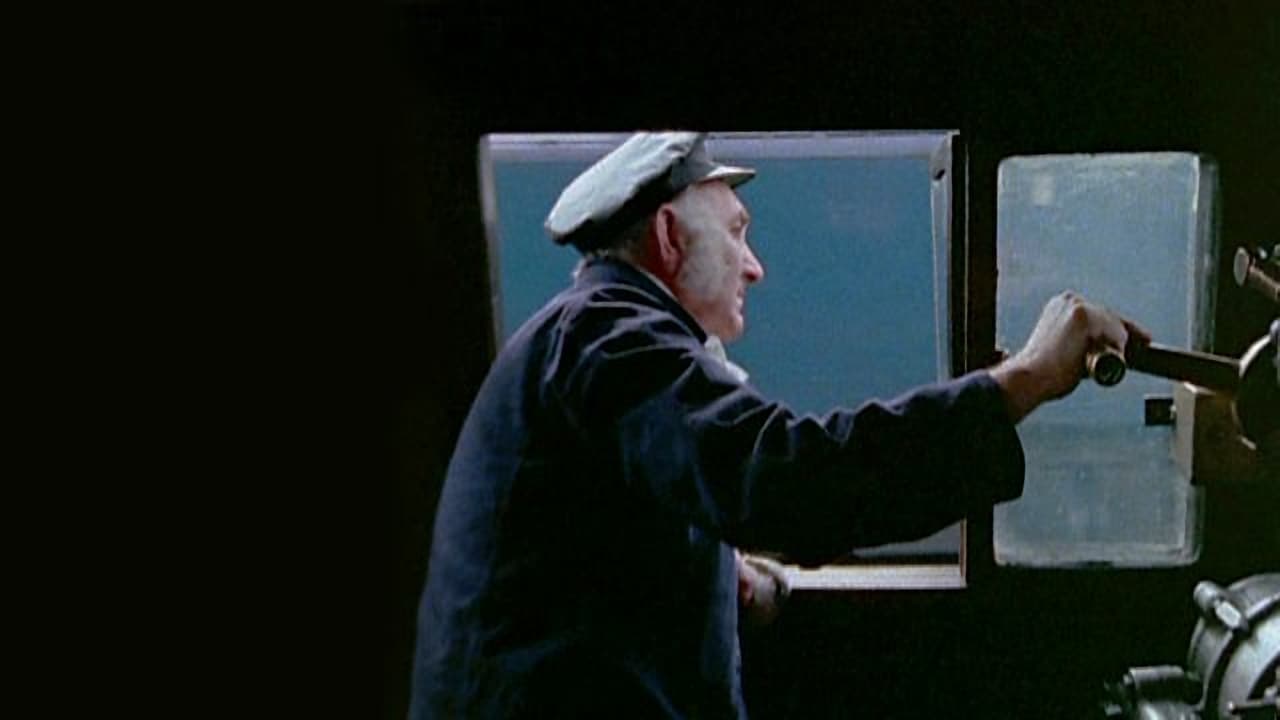
The Past at Work
Link copied
Play S1 E1The birth and development of the Industrial Revolution is explored by visiting factories, mines, and other industrial relics where the modern world was made -- not by statesmen and philosophers, but by men, women and children with dirt on their hands.
Cast: Anthony Burton
HDCC
Miniseries
8 episodes
- 1. Before the RevolutionThe remains of the industrial revolution are still with us to visit, to enjoy and to interpret. But how did early industry begin? Anthony Burton visits a neolithic flint mine in Norfolk, a Roman gold mine in Wales and a wooden windmill at Bromsgrove.CC25minMar 25, 1980
- 2. Steam and the PitBefore raw materials and coal could be taken from deep mines, an engine for pumping out water had to be developed. Anthony Burton goes underground at Britain's first colliery museum, looks at an original Newcomen steam engine and visits the oldest steam pumping engines still doing their original job.CC25minApr 1, 1980
- 3. The New Iron AgeThe single greatest discovery of the industrial revolution was the ability to smelt iron using coke instead of charcoal and the development of casting and forging techniques to use it. Anthony Burton goes to Coalbrookdale to tell the story of Derby's success, visits a casting shop at Llanberis, and gets his nose to the grindstone in a water-powered forge in Devon.CC25minApr 8, 1980
- 4. Spindle and ShuttleThe spinner or weaver working on his own, at his own speed, gave way to mills sited to take advantage of water. These were superseded by factory towns dependent on cheap coal and cheap labour. Anthony Burton visits a weaver in Wales, a mill museum near Wilmslow, and Huddersfield.CC25minApr 15, 1980
- 5. To Make a TeacupDemand for fine white and decorated pottery led to a search for new raw materials, the development of new processes, and encouraged new transport systems. Anthony Burton looks at processes and bottle kilns at Stoke-on-Trent; visits a water-powered flint mill in Staffordshire; and tries his hand at shovelling china clay in Cornwall.CC25minApr 22, 1980
- 6. The Venice of EnglandThe development and improvement of the British canal system is summed up by the Birmingham Canal Navigation. Birmingham has more miles of canal than Venice. Anthony Burton follows one of the important industrial routes of the BCN from Farmers Bridge in the city centre by canal through Dudley tunnel to the Black Country Museum.CC25minApr 29, 1980
- 7. Steam on the MoveThe success of the canals led to the development of rivals and vanquishers, the railways. The inadequate power of horses led to the use of stationary, then moving, steam engines and to the parallel development of the steam boat. Anthony Burton visits a stationary steam engine in the Peak District, rides on 'an animated knitting machine', looks for the route of the first successful colliery railway, and takes a trip on the oldest working steam boat.CC25minMay 6, 1980
 8. Railway ManiaAnthony Burton travels from York through Leeds and Harrogate to discover more about Britain's industrial past and the role of railway companies in the 19th Century. Along the way, he finds out about the dark and dangerous work of tunnelling, the different classes of passenger coaches and the grandeur of railway hotels.CC25minMay 13, 1980
Viewers also watched



The Past at Work
19801 season8 episodesEnded
The birth and development of the Industrial Revolution is explored by visiting factories, mines, and other industrial relics where the modern world was made -- not by statesmen and philosophers, but by men, women and children with dirt on their hands.
Creators and cast
- Created by
- Michael Garrod
- Cast
- Anthony Burton
- Studio
- BBC
Maturity rating
Not yet rated.
Audio languages
English
Where to watch
Not currently listed on any streaming, rental or purchase service.