That Was the GDR: A History of the Other Germany
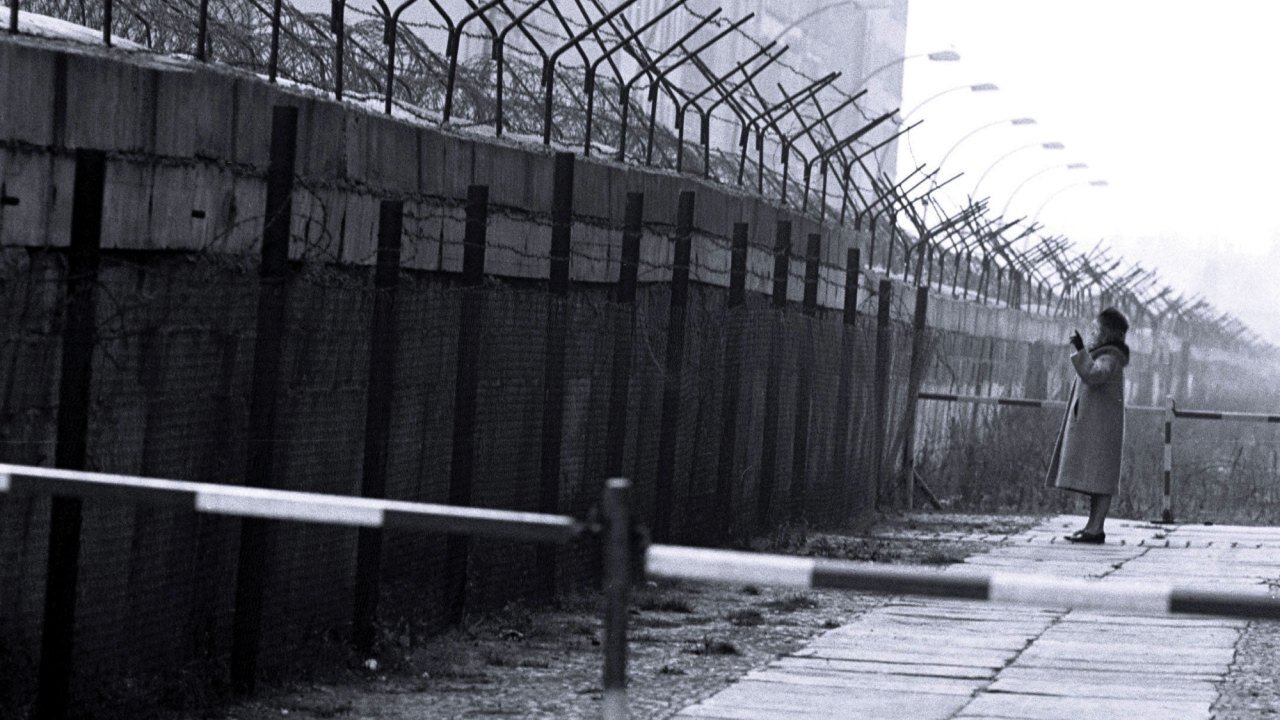
This documentary on the history of East Germany is told from the point of view of its people, using authentic historical footage and documents. It covers cultural, economic, and political developments from the founding of the GDR in 1949, to German unification on October 3, 1990. Highlighted are: the 1953 uprising, the Prague Spring, Bitterfelder Weg, the building of the Wall, the cultural repression of the 1960’s, economic stagnation, Stasi activity, and the East German civic movement and popular upheavals that finally brought down the state.
Season 1
7 episodes
- 1. I Was a Citizen of the GDRIn this simple phrase, "I was a citizen of the GDR," lie countless individual life stories. Former citizens of the German Democratic Republic talk about their personal feelings, experiences and attitudes toward the GDR. They reflect on important, painful and contradictory historical events such as the uprising on June 17th in 1953, the rise and fall of the Berlin Wall and the suppression of the Prague Spring in 1968. They also convey the sense of the hopes pinned on Mikhail Gorbachev's Perestroika.CCMay 26, 1993
- 2. From Zone to StateFrom "Zone" to State: This episode considers the events leading up to the construction of the Berlin Wall on August 13, 1961 - the final division between the two German states. Here the focus is not only on major political events but also on the spirit of the times.CCMay 26, 1993
- 3. From Economic Plan to Economic CollapseHaving risen from the ruins, Germany was a trophy in the struggle between the new powers after two world wars. The introduction of a system of economic planning began in East Germany soon after the end of the Second World War. In 1951, the East German parliament passed the first five-year-plan and, in 1952, a party conference proclaimed that "the basis for socialism in the GDR should be methodically established". This episode follows the development of the GDR's planned economy from its beginnings to its failure, from economic plan to economic failure.CCMay 26, 1993
- 4. For the Welfare of the PeopleThe centerpiece of this episode is the Honecker era. The program for the social policy of the SED (Socialist Unity Party) calls for the "unity of economic and social policy". Thus the Party leadership celebrated the achievement of the tight social service network extending from day-care to retirement homes. But the more individuals are removed from the processes of production, the more useless they become from an economic perspective. How much social security did the State really provide?CCMay 26, 1993
- 5. Mind and MightThis episode addresses the relationships between intellect and power, art and culture in the GDR: "Take up the pen, mate!" The history of literature and art in the German Democratic Republic is repeatedly interrupted by State oppression. This program shows how these breaks reveal contradictions between intellect and power in the GDR. The State between its proclamations and reality - spanning from Brecht to Biermann.CCMay 26, 1993
- 6. Shield and SwordThe Ministry for State Security (MfS) was the central instrument of domination, the "shield and sword of the Party" for defense against external and internal enemies. The Stasi, the political secret police, conducted surveillance and investigated punishable activity. A gigantic European surveillance apparatus ultimately appears - spies and informants with German thoroughness.CCMay 26, 1993
- 7. We Are the People"We are the people" was the chant of 70,000 protesters in the streets of Leipzig and with it came the end of the German Democratic Republic (GDR). It begins as the GDR enjoys its greatest success, recognition by the Federal Republic of Germany, and ends with the hope for two German States and peaceful coexistence.CCMay 26, 1993
That Was the GDR: A History of the Other Germany
This documentary on the history of East Germany is told from the point of view of its people, using authentic historical footage and documents. It covers cultural, economic, and political developments from the founding of the GDR in 1949, to German unification on October 3, 1990. Highlighted are: the 1953 uprising, the Prague Spring, Bitterfelder Weg, the building of the Wall, the cultural repression of the 1960’s, economic stagnation, Stasi activity, and the East German civic movement and popular upheavals that finally brought down the state.
Maturity rating
Not yet rated.
Audio languages
German
Where to watch
Not currently listed on any streaming, rental or purchase service.
Details and artwork from TMDB. Availability from JustWatch and can change without notice.