
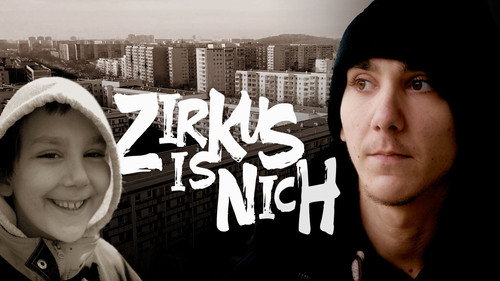
Gesichter der Armut - Unsere Kleidung aus Bangladesch
They sew our clothes, tan leather for shoes and bags. Twelve hours of work, every day. Despite this, the people in the supplier countries are often desperately poor. How does this poverty come about? Manfred Karremann explores this question using the example of Bangladesh, where much of what we use every day is produced. Bangladesh is the second largest textile producer in the world after China. The main reason for the poverty: goods are produced incredibly cheaply in Bangladesh. About nine cents an hour is paid for the dangerous work in a tannery. The seamstresses in the textile factories get a little more. Just enough to survive. Because that's what it's all about for the men, women and children who do any job, for any wage.
Viewers also watched



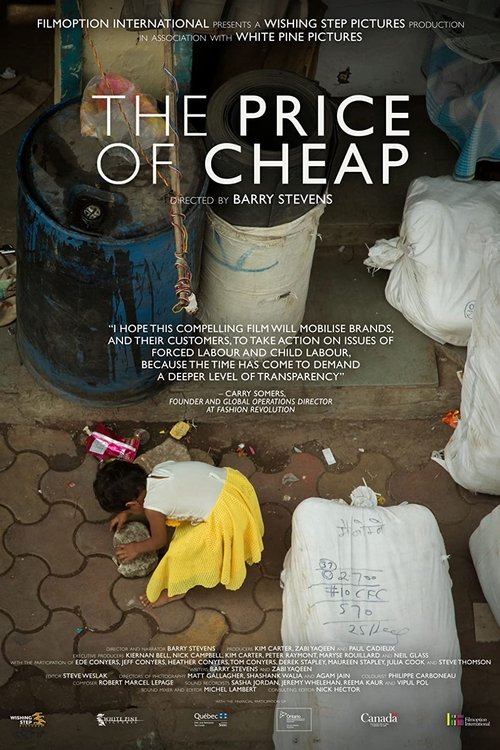
Gesichter der Armut - Unsere Kleidung aus Bangladesch
They sew our clothes, tan leather for shoes and bags. Twelve hours of work, every day. Despite this, the people in the supplier countries are often desperately poor. How does this poverty come about? Manfred Karremann explores this question using the example of Bangladesh, where much of what we use every day is produced. Bangladesh is the second largest textile producer in the world after China. The main reason for the poverty: goods are produced incredibly cheaply in Bangladesh. About nine cents an hour is paid for the dangerous work in a tannery. The seamstresses in the textile factories get a little more. Just enough to survive. Because that's what it's all about for the men, women and children who do any job, for any wage.
Creators and cast
- Studio
- ZDF
Maturity rating
Not yet rated.
Where to watch
Not currently listed on any streaming, rental or purchase service.
Details and artwork from TMDB. Availability from JustWatch and can change without notice.